
Blog · 2026-10-02
UP electricity tariffs keep rising: how rooftop solar protects your family's budget
UPPCL tariffs have risen again and again. With net metering, a rooftop solar plant shields most of your consumption from every future hike.
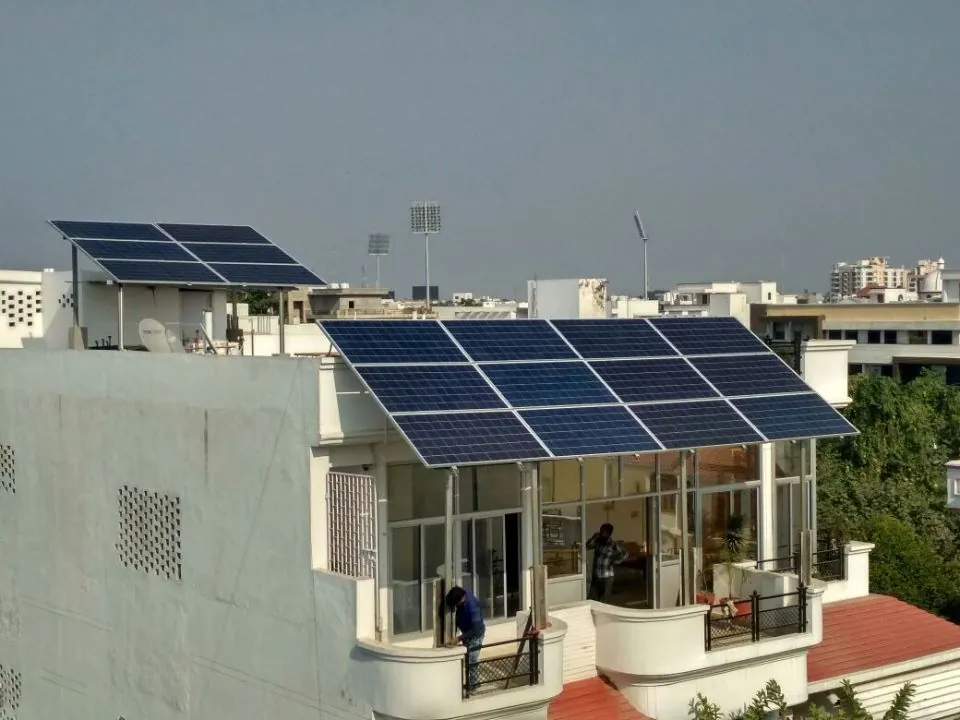
Electricity in Uttar Pradesh has become steadily more expensive. Over the last decade UPPCL has raised domestic tariffs several times, and fixed charges have gone up with them. The direction is clear: every unit you buy from the grid will cost more next year than it does today.
Why solar takes the sting out of a tariff hike
An on-grid rooftop solar plant works with a net meter. In the day your panels make electricity; your home uses it first, and the rest flows into the grid, where the meter counts it. At night you take units back from the grid. At the end of the month you pay only for the difference.
Suppose your home uses 800 units a month and a 5 kW plant on your roof makes about 600 to 700 of them. You are billed for only 100 to 200 units. When the tariff rises, it rises on those few units, not on your whole consumption. Size the plant to your consumption and your bill is close to the fixed charges alone.
The numbers in 2026
Under PM Surya Ghar Muft Bijli Yojana the central government pays ₹30,000 per kW for the first 2 kW and ₹18,000 for the third: up to ₹78,000. Uttar Pradesh adds up to ₹30,000 more. A 3 kW plant in Lucknow makes around 12 to 15 units a day, enough for most families, and usually pays for itself in 3 to 4 years.
Locking in your price
A solar plant is the only way for a household to fix the price of its electricity for 25 years. Every tariff hike after you install makes your plant more valuable.
See your plant before it exists.
Your free 3D design in minutes, with every rupee shown. No pressure.